
How Anime Culture Is Reshaping Emotional Attachment in the Modern World
As anime culture continues to spread across the globe, anime, games, and virtual characters are no longer just forms of entertainment. They have gradually become part of people’s emotional worlds. For many young people today, anime characters are not simply images on a screen, but long-term companions. From childhood to adulthood, these characters often accompany people through different stages of life, subtly shaping how they express emotions and where they place their emotional attachments. Compared to real-life relationships, which are often unpredictable and complicated, anime characters feel more stable and pure, making it easier for people to form long-lasting emotional connections.
As the pace of modern life accelerates and the emotional cost of maintaining real-world relationships continues to rise, many people are turning toward more private and controllable forms of emotional support. Anime culture offers an emotional outlet that doesn’t demand constant response or compromise. People can love a character, understand a character, and feel comforted through that connection without pressure. Over time, this emotional pattern has expanded beyond simple virtual appreciation and moved into the physical world, through character merchandise, life-size figures, and even character-inspired products. Within this cultural context, items like a sex doll, which combine a physical presence with character-based fantasy, are increasingly seen by some as an extension of emotional attachment rather than just an object.
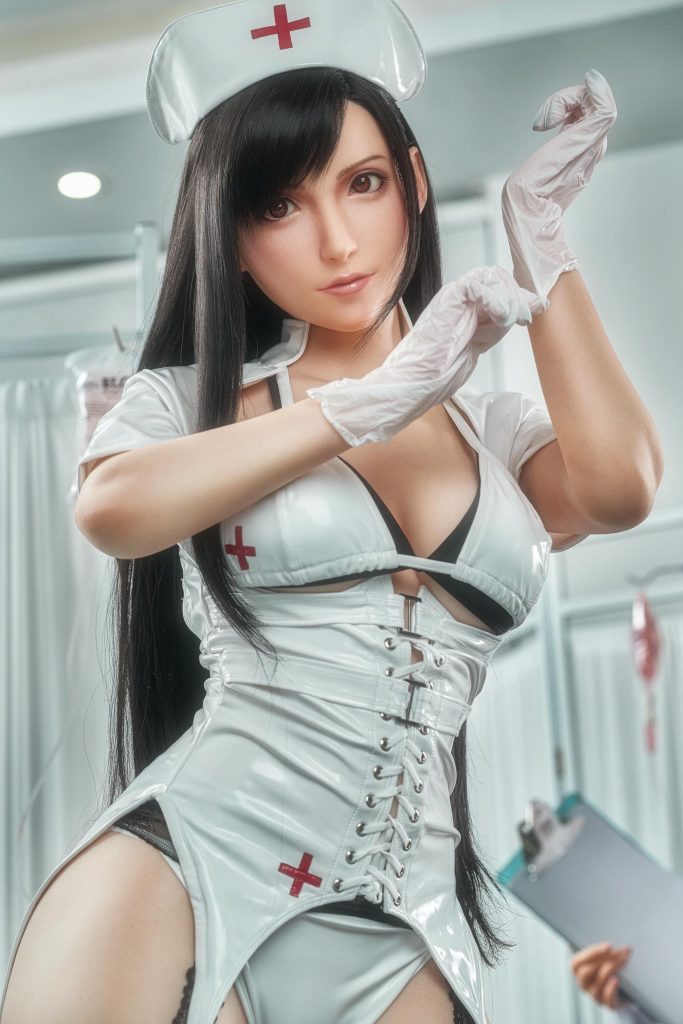
For many anime fans, choosing a specific character is never random. It is usually the result of years of emotional accumulation. Iconic anime and game characters tend to have well-defined personalities, complete story arcs, and consistent visual identities, all of which contribute to their lasting appeal. Take tifa sex doll as an example. Its popularity is not driven solely by appearance, but by the emotional value and cultural memory the character represents. For some people, characters like this go beyond being “virtual figures” and instead become emotional symbols. When brought into real life, they naturally carry the emotional meaning that fans have attached to them over time.
At its core, the influence of anime culture on emotional attachment represents a shift from “relationships between people” to “relationships between people and symbols.” This does not mean that people are abandoning real-world relationships, but rather that they are creating a separate, safer emotional space alongside reality. Through characters, imagery, and tangible representations, individuals can place their emotions more freely, without the pressure and emotional exhaustion that often come with real-life interactions. This also explains why so many anime-related physical products are valued not just for their function or appearance, but for the emotional significance they hold.
From a broader perspective, anime culture is reshaping how emotional attachment works in modern society. Emotions are no longer tied exclusively to real-life relationships; they can also exist within characters, stories, and personal imagination. Whether through screens, collectibles, or physical forms like a sex doll, these evolving forms of emotional attachment reflect a growing desire for security, control, and personalized expression. As social attitudes continue to shift, the emotional structures born from anime culture are becoming more widely understood and accepted.